


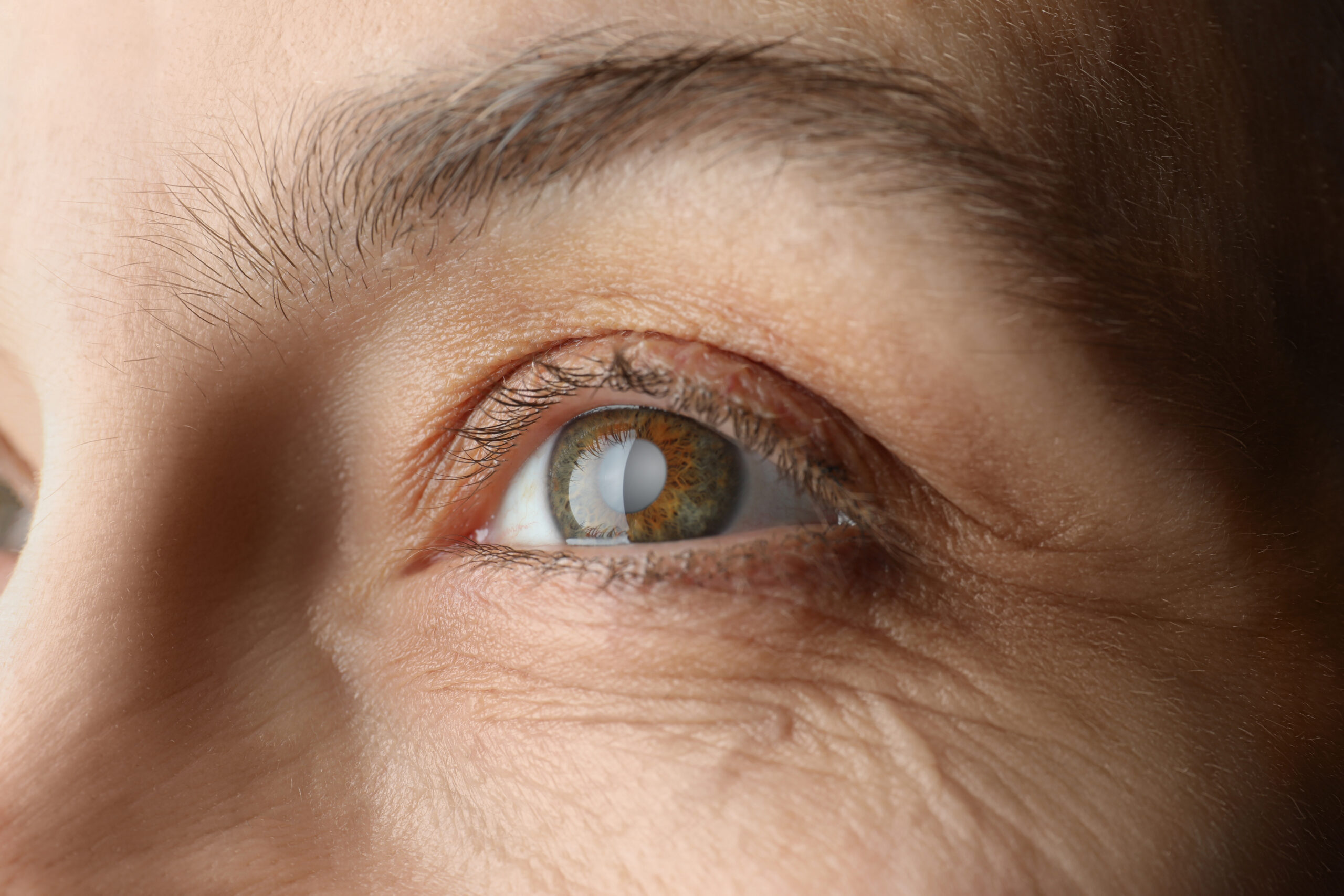
Glaucoma and cataracts are two of the most common eye conditions after age sixty, and their names often get mixed up. Both can affect your vision, both become more likely with age, and it is possible to have both at once. But they happen in different parts of the eye, feel different, and are treated in very different ways. If you are interested in learning more about glaucoma vs. cataracts, read on for a side-by-side comparison.
For questions or to book an appointment, contact Eastside Eye Physicians today.
Two Different Parts of the Eye
A cataract is a clouding of the lens, the normally clear structure behind the pupil that focuses light. Over time, proteins in the lens break down and clump together, and the lens becomes cloudy.
Glaucoma is a disease of the optic nerve, the cable that carries visual information from the eye to the brain. It is often linked to pressure inside the eye, though damage can occur even when pressure is in the normal range.
How Each One Feels
Cataracts
Blurry or hazy vision that glasses don’t fully fix
Glare, especially from oncoming headlights at night
Halos or starbursts around lights
Double vision in the affected eye
These changes usually come on gradually and are noticeable once they start to interfere with reading, driving, or hobbies.
Glaucoma
Usually no symptoms in the early stages
Gradual loss of side (peripheral) vision that moves inward
Vision loss that can go unnoticed until significant damage has occurred
One form, angle-closure glaucoma, can cause a sudden attack with severe eye pain, headache, nausea, and blurred vision. That is an emergency and needs immediate care.
The Biggest Difference: Can Lost Vision Come Back?
This is the distinction that matters most. Vision blurred by a cataract can usually be restored with surgery, which replaces the cloudy lens with a clear artificial one. Vision lost to glaucoma cannot be restored because the optic nerve does not heal. Glaucoma treatment aims to protect the vision you still have. There is currently no cure for glaucoma, so care is lifelong.
That is why a Medical Eye Exam matters even when your vision feels fine. Early glaucoma rarely causes symptoms, and catching it early gives treatment the best chance to slow it down.
How Each Is Found
Both are diagnosed during a Medical Eye Exam, but the tests differ. For a cataract, your ophthalmologist examines the lens and judges how much the clouding is affecting your sight. Glaucoma takes several tests together, because no single test confirms it:
Tonometry, which measures eye pressure
Visual field testing, which maps your side vision
OCT imaging, which produces detailed cross-sections of the optic nerve
An examination of the optic nerve and the eye’s drainage angle
How Each Is Treated
Cataracts are treated with surgery when they start to interfere with daily life. Eastside Eye Physicians offers laser-assisted cataract surgery and premium lens options, and most patients notice improved vision within a day or two.
Glaucoma is usually treated first with prescription eye drops to lower pressure. Selective laser trabeculoplasty (SLT), a quick in-office laser, is often an effective next step or an alternative to drops. When those are not enough, surgical options may be considered. Regular check-ups track how well treatment is working.
What Happens When You Have Both?
Having a cataract and glaucoma at the same time is common in older adults. In that case, your ophthalmologist will consider both conditions together when planning care, including the timing of cataract surgery and how your eye pressure is managed before and after it.
Trusted Care at Two Offices
Eastside Eye Physicians has cared for patients in the Detroit metropolitan area since 1955, with offices in St. Clair Shores and Shelby Township. Its physicians are board-certified by the American Board of Ophthalmology, and patients in Grosse Pointe, Roseville, and Clinton Township are a short drive from the St. Clair Shores office. You can read more about the practice’s eye disease management services.
Common Questions About Glaucoma and Cataracts
Which is more serious, glaucoma or cataracts?
Both can affect your sight, but in different ways. Vision blurred by a cataract can usually be restored with surgery. Vision lost to glaucoma cannot be restored, which is why early detection and ongoing treatment matter so much.
Can a cataract turn into glaucoma?
Not directly. They are separate conditions in different parts of the eye: the lens for cataracts and the optic nerve for glaucoma. In rare cases, a very advanced cataract can crowd the eye’s drainage angle and raise eye pressure, which is one more reason not to put off care for years.
Will I notice glaucoma before it damages my vision?
Usually not. Early glaucoma rarely causes symptoms, and side vision loss can go unnoticed until significant damage has occurred. A regular Medical Eye Exam is the main way it is found.
How often should I have a Medical Eye Exam after sixty?
Adults sixty to sixty-four with no known risk factors may be seen every one to two years, and adults over sixty-five are generally advised to have an exam at least once a year. People with glaucoma or other eye conditions may need more frequent visits, as their ophthalmologist directs.
Book a Medical Eye Exam Today
The only reliable way to know which condition is affecting your vision, or whether you have both, is a full exam. Request an appointment online at either of our locations today.