


When Is Cataract Surgery Right For Me?
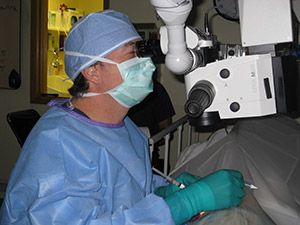
The timing of cataract surgery has become increasingly flexible and is based on the physician’s and patient’s judgment regarding the impact of the cataract on quality of life. Due to the advanced technique of cataract microsurgery, waiting until the “ripening” of the cataract is no longer necessary.
Signs It May Be Time for Cataract Surgery
Cataracts develop gradually, and many patients adapt to changes in vision without realizing how significantly their daily activities have been affected. Common symptoms include blurry vision, blurred vision, increased sensitivity to light, difficulty reading, trouble driving at night, and colors appearing faded or yellowed. Some patients notice that frequent changes to their glasses or contact lens prescription no longer improve their vision. If a cloudy lens begins interfering with activities such as reading, watching TV, driving, or recognizing faces, it may be time to discuss cataract surgery with an ophthalmologist.
How Are Cataracts Treated at Eastside Eye Physicians?
Today, cataracts are removed by emulsifying (breaking) the lens into very small fragments by using sound waves. The Catalys® Femtosecond Laser aids us in this procedure and can help provide additional safety and precision. With these techniques, the incisions made are so small (less than 3mm) that suturing is usually not required. The procedure takes approximately 15 minutes or less. The return to full visual recovery and a normal lifestyle typically occurs rapidly.
Advanced Microsurgical Techniques
Newer techniques in anesthesia have enabled comfortable performance of this procedure with topical anesthetic eye drops in most patients. Intravenous sedation may often be given for additional relaxation. When this is done, the patient may have a useful vision on the day of surgery and return home without an occlusive eyepatch.
The Catalys® Femtosecond Laser
Eastside Eye Physicians utilizes the Catalys® Femtosecond Laser to enhance precision during cataract surgery. This advanced technology assists the surgeon in performing key steps of the procedure with exceptional accuracy, including creating corneal incisions and preparing the cloudy natural lens for removal. By using computer-guided laser technology, the procedure can be customized to each patient’s unique eye anatomy.
What to Expect After Having Cataracts Diagnosed
Cataract surgery is an outpatient procedure that is typically completed in less than 15 minutes. Before surgery, the eye is carefully prepared, and specialized eye drops are used to dilate the pupil. The surgeon then removes the cloudy lens and replaces it with a clear artificial lens called an intraocular lens. This artificial lens is designed to restore clear vision and does not require replacement in the future.
Anesthesia Options for a Comfortable Experience
Most procedures are performed with topical anesthetic eye drops that numb the eye without requiring injections. Intravenous sedation may also be provided to help patients remain relaxed during surgery. Because general anesthesia is rarely necessary, recovery is typically faster and more comfortable.
Procedure Length and Incision Size
One of the major advancements in modern cataract surgery is the ability to perform the procedure through extremely small incisions. These openings are generally less than 3 millimeters in size and are often self-sealing, eliminating the need for sutures. Using ultrasonic energy, the surgeon breaks apart the original lens and removes it through these tiny incisions before placing the new intraocular lens.
Recovery After Cataract Surgery
Recovery following cataract surgery is typically straightforward. Patients are usually able to return home shortly after the procedure and resume many routine activities within a day or two. Prescription eye drops are used to prevent infection, reduce swelling, and support proper healing. Temporary symptoms such as mild blurry vision, light sensitivity, or a scratchy sensation may occur during the early stages of recovery but generally improve quickly. Patients should avoid heavy lifting, strenuous exercise, and rubbing the eye during the healing process.
Cataract Surgery FAQs
Does cataract surgery hurt?
Cataract surgery is generally not painful. Numbing eye drops are used before the procedure, and many patients receive light sedation to help them relax. Most individuals report feeling only mild eye pressure or movement during treatment.
What type of lens is used during cataract surgery?
After the cloudy natural lens is removed, it is replaced with a clear artificial lens called an intraocular lens. Several lens options are available, including monofocal lenses that provide focus at one distance and advanced lenses that may offer extended depth of focus or astigmatism correction.
Will I still need glasses after cataract surgery?
The need for glasses depends on the type of intraocular lens selected and the patient’s visual goals. Some patients continue to wear reading glasses or prescription eyeglasses for certain activities, while others experience reduced dependence on glasses or contact lenses.
Can cataracts come back after surgery?
A cataract cannot return once the original lens has been removed. However, some patients develop posterior capsule opacification, a clouding of the membrane that supports the intraocular lens.
How do I know if I am a candidate for cataract surgery?
Patients whose cataracts are causing blurry vision, reduced quality of life, or difficulty performing daily activities may be candidates for surgery. A medical eye exam performed by an experienced ophthalmologist can determine whether cataracts have been diagnosed and whether surgery is the most appropriate treatment option.
Schedule a Cataract Evaluation in Shelby Township or St. Clair Shores
If cataract symptoms are affecting daily activities or causing changes in vision, the experienced team at Eastside Eye Physicians can help. Through a comprehensive eye exam, our ophthalmologists evaluate cataracts, assess overall eye health, and determine the most appropriate treatment plan for each patient’s needs. Contact Eastside Eye Physicians today to schedule a cataract consultation in Shelby Township or St. Clair Shores.