


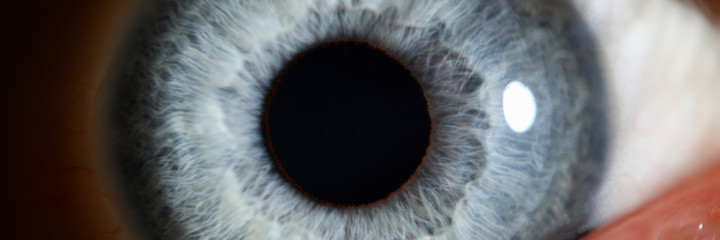
Some diseases are more disabling than others, but diseases and disorders that cause you to lose your vision have to stand near the top of the list. If you dread the thought of some lurking eye disease robbing you of your eyesight, you’ll be happy to know that Eastside Eye Physicians can provide timely, effective eye disease management for St. Clair Shores and Shelby Township residents.
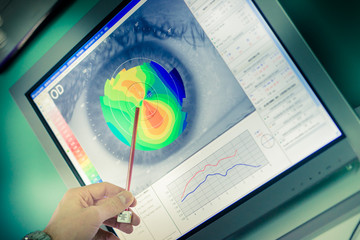
What Are Eye Diseases?
The eye is not only a delicate organ; it’s also a “precision instrument” in which all the components must be able to do their jobs if you want to see clearly. While some issues such as refractive errors are simple abnormalities, other problems may be created by progressive eye diseases that may do considerable damage before you’re even aware of them. Common examples include:
- Cataracts – Cataracts develop when substances in the lens of the eye clump together, robbing the lens of its transparency. This condition can be influenced by age, drug use, diabetes, and other factors. It can cause blurred vision, glare sensitivity, loss of night vision, and eventual blindness.
- Glaucoma – Glaucoma is optic nerve damage that produces irreversible vision loss, usually due to overly-high fluid pressure inside the eye. The vision loss is usually gradual, starting with peripheral vision, but in some cases, it can cause sudden vision loss as well as eye pain, headaches, and nausea.
- Age Related Macular Degeneration – Macular degeneration is no named because it affects the macula, the part of the retina that produces your central vision, causing blank spots or wavy distortions in this critical zone.
- Diabetic Retinopathy – Diabetes can destroy the retinal blood vessels, causing permanent, progressive vision loss and bleeding in the eye.
- Dry Eye – Dry eye may not sound dangerous, but it can damage your corneas over time. Insufficient or unbalanced tear film also causes irritation, red eyes, and light sensitivity.
What Does Eye Disease Management Treat?
Eye disease management focuses on identifying, monitoring, and treating a wide range of conditions that can impact your vision and overall eye health. From common age-related concerns to more complex medical conditions, early and ongoing care plays a critical role in preserving sight. At Eastside Eye Physicians, we evaluate and manage conditions such as cataracts, glaucoma, macular degeneration, diabetic retinopathy, and dry eye, as well as other less common disorders that may affect the retina, optic nerve, or cornea.
Benefits of Eye Disease Management and Early Detection
Early detection is one of the most important factors in preventing vision loss. Many eye diseases develop gradually and without noticeable symptoms, which means damage can occur before patients realize anything is wrong. With routine monitoring and timely intervention, we can slow progression, preserve your vision, and improve your long-term eye health. Proactive care also allows for more treatment options and better outcomes, helping you maintain independence and quality of life.
Before Your Eye Disease Management Medical Eye Exam
Before your exam, it’s helpful to gather information about your medical history, current medications, and any vision changes you may have noticed. Be prepared to discuss symptoms such as blurry vision, eye discomfort, light sensitivity, or difficulty seeing at night. If you wear glasses or contact lenses, bring them with you. This information helps our team better understand your eye health and tailor your evaluation to your specific needs.
Your Eye Disease Management Screening and Diagnosis
Our medical eye doctors at Eastside Eye Physicians can diagnose these and other eye diseases in their earliest stages through annual medical eye exams. They can then provide such management options as laser-assisted cataract surgery, glaucoma laser surgery, drug therapy, Intravitreal Anti-VEGF injections, and medication. Dry eye can respond to a number of remedies, from eye drops to lifestyle changes.
After Your Eye Disease Diagnosis
If you are diagnosed with an eye condition, our team will walk you through your results and explain your treatment options in detail. We believe in a personalized approach, so your care plan will be tailored to the type and severity of your condition, as well as your lifestyle and overall health. Whether your treatment involves medication, in-office procedures, or ongoing monitoring, we are here to support you every step of the way.
What to Expect from Eye Disease Ongoing Management
Ongoing management is essential for many eye conditions, especially those that are chronic or progressive. Regular follow-up appointments allow us to monitor changes in your eye health and adjust your treatment plan as needed. This may include imaging, vision testing, or additional therapies to ensure your condition remains stable. Our goal is to protect your vision from severe vision loss and other risk factors over time while providing consistent, attentive care.
Why Choose Eastside Eye Physicians for Eye Disease Management?
At Eastside Eye Physicians, our experienced medical eye doctors are committed to delivering thorough, patient-focused care. We use advanced diagnostic technology to detect eye diseases early and offer a full range of treatment options to manage them effectively. With convenient locations serving St. Clair Shores and Shelby Township, we make it easy to prioritize your eye health with a trusted team that puts your vision first.
Eye Disease Management FAQs
What is eye disease management, and why is it important?
Which common eye diseases are treated at Eastside Eye Physicians?
What are the early warning signs of cataracts?
How does glaucoma affect vision over time?
What symptoms are associated with macular degeneration?
How does diabetic retinopathy impact the retina and vision?
Can dry eye disease cause long-term damage if left untreated?
Why are annual medical eye exams critical for detecting eye diseases early?
What advanced diagnostic tools are used to detect and monitor eye diseases?
What treatment options are available for managing conditions like glaucoma, cataracts, macular degeneration, and diabetic retinopathy?
Learn More About Eye Disease Management at Eastside Eye Physicians
Take smart steps to protect your eyes against sight-stealing diseases. Call our St. Clair Shores or Shelby Township offices today to schedule a comprehensive medical eye exam.