


LASIK and PRK are FDA-approved vision correction procedures designed to correct common refractive errors, including nearsightedness, farsightedness, and astigmatism. These procedures reshape the cornea to help patients achieve better vision and reduce their dependence on glasses or contact lenses.
Eastside Eye Physicians provides personalized evaluations for patients considering laser vision correction in St. Clair Shores and Shelby Township, Michigan. Although many people experience improved vision after treatment, results and candidacy depend on each patient’s eye health, prescription, and other factors.
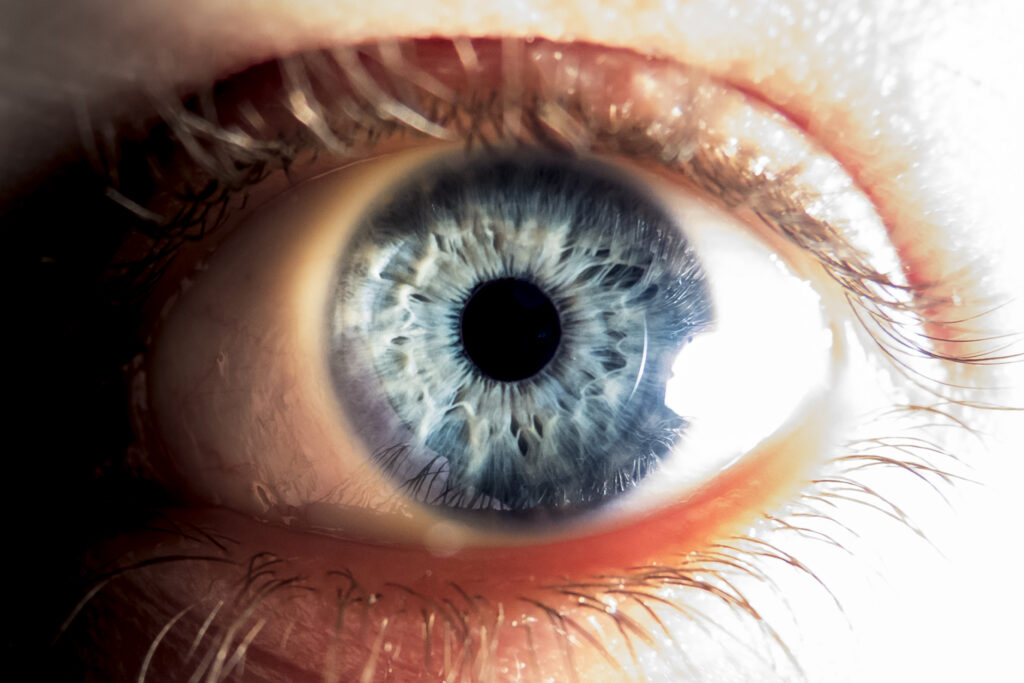
What Happens During LASIK and PRK Surgery
During LASIK eye surgery, the ophthalmologist creates a thin corneal flap to access the tissue underneath. A precise excimer laser then removes a computer-controlled amount of tissue to alter the shape of the cornea and correct refractive errors. The flap is repositioned after treatment and typically begins healing naturally.
A femtosecond laser may be used to create the flap during a bladeless, laser-assisted procedure. Older LASIK techniques may use a small blade device, known as a microkeratome, instead. Your ophthalmologist will explain which technology is appropriate for your procedure.
PRK may be recommended when LASIK is not the best option, including for some patients with a thin cornea. Instead of creating a flap, PRK removes the cornea’s outer layer before the laser reshapes the underlying tissue. A temporary protective contact lens is then placed over the eye as the surface of the eye heals.
Both forms of laser eye surgery may flatten the cornea to address nearsightedness, steepen it to address farsightedness, or create a more even corneal surface for astigmatism. These changes allow light to focus more accurately and may help correct vision.
What to Expect During the Procedure
LASIK and PRK are outpatient procedures performed by an experienced eye surgeon. Treatment generally takes about 10 to 15 minutes per eye, while the complete visit may last around 90 minutes. Patients usually remain awake and receive a mild sedative along with numbing drops to support their comfort.
The treatment area is cleaned, and a small instrument gently holds the eyelids open. The computer-guided laser device delivers treatment according to measurements collected during the preoperative evaluation. The actual laser treatment may take only several hours—No, actual laser treatment takes only several seconds per eye, while the full surgical visit lasts several hours at most. Patients must arrange a ride home because they cannot drive immediately afterward.
Some patients notice that their vision is clearer within the first day, although fluctuations are normal while healing. Temporary glare, halos around bright lights, difficulty seeing in dim light, or blurred vision may occur. In rare cases, patients may experience double vision, infection, or changes that require additional treatment.
Who Is a Good Candidate for Laser Vision Correction Surgery?
Good candidates are generally healthy adults with stable prescriptions who want to reduce how often they wear glasses or contact lenses. Most patients should be at least 18 years old and have realistic expectations about what the procedure can achieve.
Patients with myopia, hyperopia, or astigmatism may qualify, but those with moderate to high myopia or another high degree of refractive error require careful evaluation. Some people may still need corrective lenses for certain activities following surgery.
Certain conditions can make refractive surgery less appropriate. These may include unstable vision, uncontrolled dry eye, corneal disease, an active eye infection, or other health concerns that could affect healing. LASIK may not be recommended for everyone, but PRK or another approach may still be considered.
How Our Ophthalmologists Determine Candidacy for LASIK Surgery
Eastside Eye Physicians performs a complete medical eye exam and reviews your ocular and general medical history before recommending laser surgery. Your ophthalmologist will evaluate your prescription, pupil size, tear film, corneal thickness, and corneal topography.
These measurements help determine whether your eyes can safely undergo treatment and which procedure may provide the most predictable outcome. Experienced refractive surgeons also consider prescription stability, lifestyle, age, medications, and overall eye health.
Patients who have worn contacts may need to stop wearing them for a designated period before their evaluation because contact lenses can temporarily affect corneal measurements. Your ophthalmologist will provide instructions based on the type of lenses you use.
Refractive procedures have been widely performed for more than a decade, but no surgery can guarantee perfect results. While many LASIK patients reduce their dependence on eyewear, some may continue to need glasses for reading, driving, or other tasks. Your ophthalmologist will explain the potential benefits, limitations, and risks, including the rare possibility of vision loss.
Post-Laser Eye Surgery Care From Our Ophthalmologists
Following LASIK surgery, your eye doctor may prescribe medicated eye drops to reduce inflammation, prevent infection, and support healing of the corneal tissue. Mild burning, watering, sensitivity, or discomfort may occur shortly after the procedure but often improves within several hours.
Patients should rest and avoid rubbing their eyes. Many people can resume certain normal activities within a day or two after the LASIK procedure, while PRK usually involves a longer recovery. Vision may continue changing for a few weeks as the eyes stabilize.
Your first follow-up appointment is generally scheduled within 24 to 48 hours. Additional visits allow your ophthalmologist to monitor healing, evaluate your results, and address any symptoms or concerns.
Schedule a LASIK Eye Surgery or PRK Consultation
If you are considering LASIK or PRK for vision problems, schedule a consultation with an experienced ophthalmologist at Eastside Eye Physicians. A personalized medical eye exam can determine whether refractive surgery may help you see more clearly and rely less on glasses or contacts.
Contact the St. Clair Shores office at 586-774-2020 or the Shelby Township office at 586-247-2020 to schedule your evaluation.